Step 1: Market Research and Analysis
We try to understand the business model, audience, and geography targeted by your business. Our experts do intensive and thorough market research for realizing the competition, user expectations, pricing models, and gaps. From this analysis, we will develop the foundation on which your vacation rental app will stand: relevant, future-ready, and built to outperform.
Step 2: Defining Core Features and Functionality
Now we will be able to define the unique selling points of your portal—AI-oriented property recommendations, multi-currency payments, real-time updates of bookings, and the like—that would be essential and augmented according to your vision. At this stage, there is a roadmap for further development and the itemization of features according to your goals.
Step 3: Selecting the Right Technology Stack
Well, technology has kept up with all your apps. We identify a powerful tech stack that guarantees high performance, bolsters several times faster server loading times, and supports cross-platform compatibility. Our stack, made of Node.js, React Native, Python, AWS, and MongoDB, builds a secure, scalable framework that can handle millions of users and transactions effortlessly.
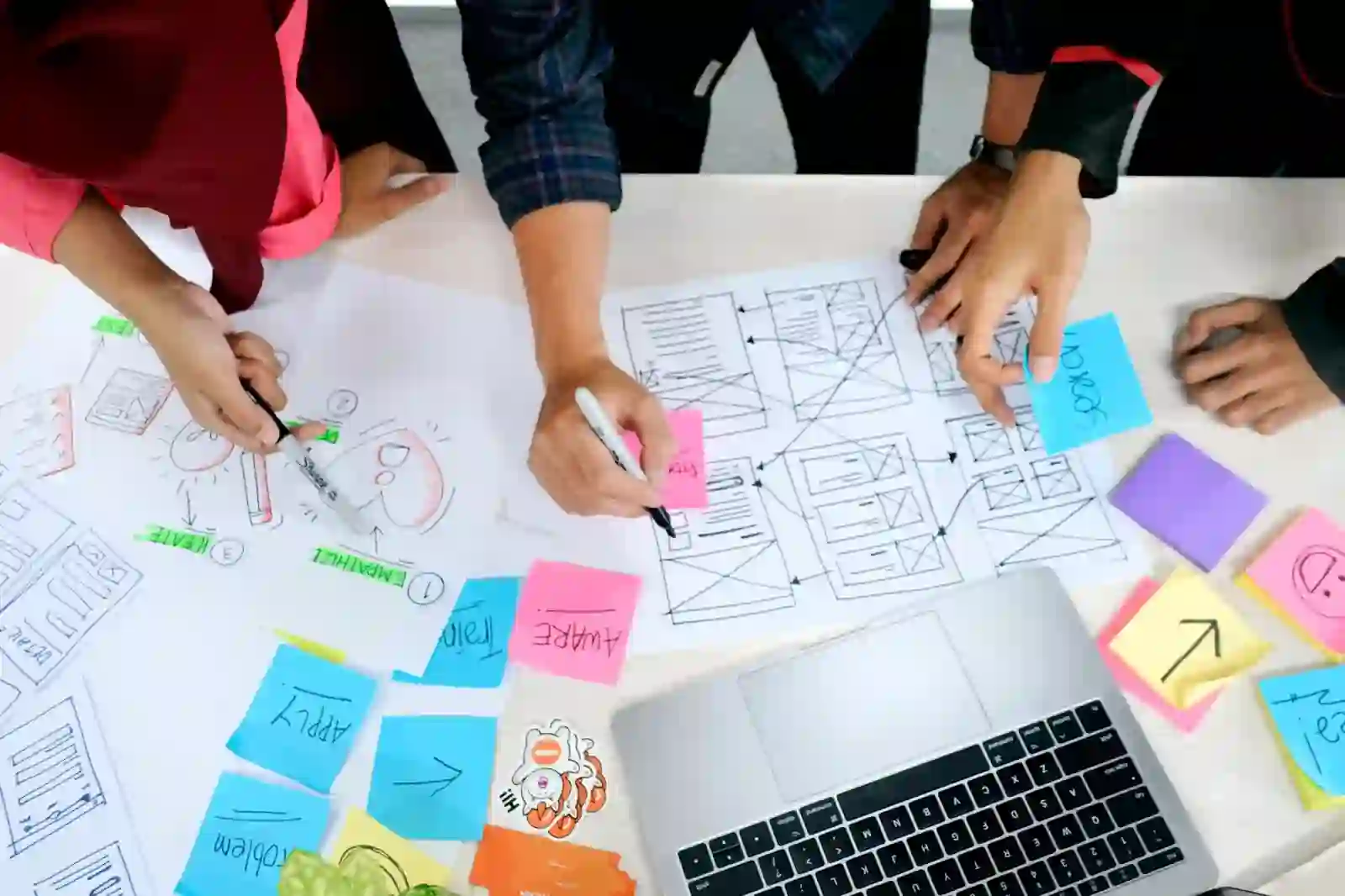
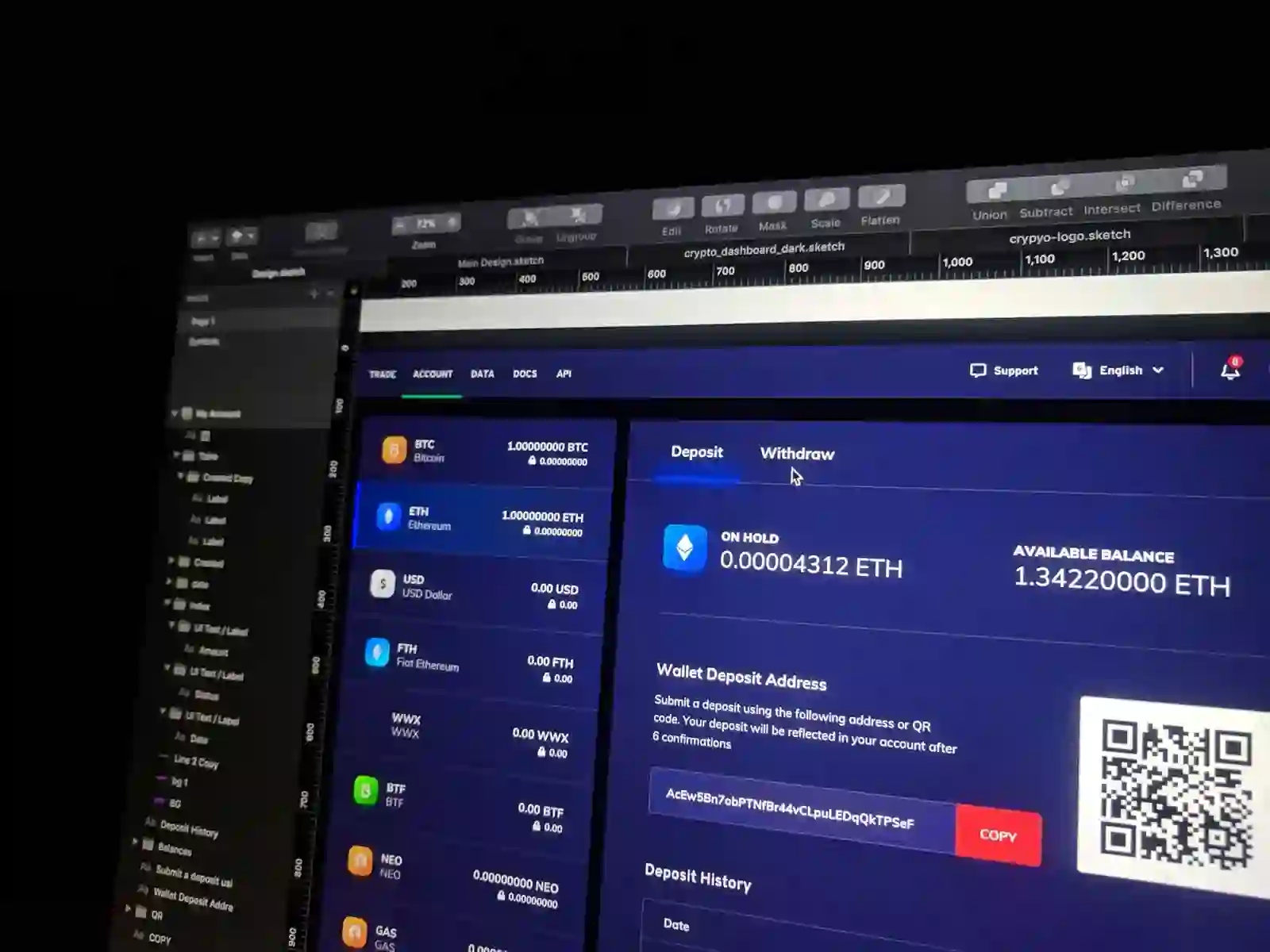
Step 4: Designing User-Friendly Interfaces
The point of entry experience begins with design inconsistent with strategy put into it. Our UI/UX designers create intuitive interfaces that allow ease of navigation and encourage engagement. From property discovery through to checkout, we ensure that every interaction feels smooth from both hosts and guests in an experience they install or uninstall.
Step 5: Developing the Backend Architecture
In the background, we will create a powerful backend infrastructure that guarantees reliability and flexibility. It connects every part of the ecosystem: user profiles, listings, payments, analytics, and others, enabling real-time data processing and communication across all panels—Customer, Host, and Admin.
Step 6: Integrating Features
We then come to integrating all the key components—booking systems, reviews, chat modules, map integration, and AI recommendation engines. With this approach, each feature will work smoothly into the overarching experience that mimics and enhances the Airbnb model.
Step 7: Test and QA
Quality means everything for us. Every module of the different qualitative examinations like unit, regression, performance, and usability tests. Examples from real life are further analyzed for stability and speed while exercising security on different devices and operating systems.
Step 8: Deployment and Launch Strategy
Once the testing for the application is up and running, it goes into deployment, which includes server setup and requisite API submissions for the App Store as well as Google Play submission. We guarantee that the hosts will be onboarded without any hassles and can go live with their marketplace.
Step 9: Marketing and User Acquisition
Definitely. Visibility out there creates awareness among potential customers about your wonderful product. We will assist you with the go-to-market strategy, App store listing optimizations (ASO), setting up referral programs, and paid marketing campaigns. With our data-driven approach, your property listers and travelers will be onboard from day one.
Step 10: Continuing Maintenance & Provisions
Esferasoft carries on further functionalities beyond the provision of an update as the platform runs live. Your own Airbnb-style application will certainly stand out from any variations in technology or market, from post-launch maintenance to feature updates to security updates. Continuous monitoring proves to be the only path for scaling up with your expanding user base.
Step 1: Market Research and Analysis
We try to understand the business model, audience, and geography targeted by your business. Our experts do intensive and thorough market research for realizing the competition, user expectations, pricing models, and gaps. From this analysis, we will develop the foundation on which your vacation rental app will stand: relevant, future-ready, and built to outperform.
Step 2: Defining Core Features and Functionality
Now we will be able to define the unique selling points of your portal—AI-oriented property recommendations, multi-currency payments, real-time updates of bookings, and the like—that would be essential and augmented according to your vision. At this stage, there is a roadmap for further development and the itemization of features according to your goals.
Step 3: Selecting the Right Technology Stack
Well, technology has kept up with all your apps. We identify a powerful tech stack that guarantees high performance, bolsters several times faster server loading times, and supports cross-platform compatibility. Our stack, made of Node.js, React Native, Python, AWS, and MongoDB, builds a secure, scalable framework that can handle millions of users and transactions effortlessly.
Step 4: Designing User-Friendly Interfaces
The point of entry experience begins with design inconsistent with strategy put into it. Our UI/UX designers create intuitive interfaces that allow ease of navigation and encourage engagement. From property discovery through to checkout, we ensure that every interaction feels smooth from both hosts and guests in an experience they install or uninstall.